10 Best Niches for Dropshipping in 2025
 Janice
Choosing a good niche for dropshipping can be a challenging. Many new dropshippers fall into saturated markets or pick trending products without long-term potential.
This article explores the best niches for dropshipping in 2025. You'll learn about rising trends, how to validate a niche, which products to avoid, and what tools to use. We'll also provide real-world insights to help you build a successful store in a low-competition niche.
Why Niche Selection Matters in Dropshipping
1. The Role of Market Demand and Trends
Following consumer trends helps you stay ahead. In 2025, shoppers want practical, unique, and problem-solving products. Picking a trending niche early means less competition and faster growth.
2. Profit Margins and Supplier Availability
Not all trending niches are profitable. Look for products with high perceived value and reliable suppliers. If your costs are too high or suppliers are unstable, your business suffers.
3. Avoiding Saturated or Over-competitive Niches
Saturated markets make it harder to stand out. Niches like general apparel and tech accessories are packed with competitors and low profit margins. Finding low-competition niches helps you scale faster with fewer risks.
Top 10 Dropshipping Niches for 2025
1. Eco-Friendly & Sustainable Products
Consumers are prioritizing sustainability. Reusable kitchen items, biodegradable bags, and zero-waste personal care items are rising in demand.
2. Pet Supplies & Accessories
The pet niche remains strong. Personalized collars, portable water bottles, and pet grooming tools are hot sellers with emotional buying triggers.
3. Home Fitness & Smart Gym Gear
Home workouts are still in trend. Resistance bands, compact gym gear, and smart fitness tools are key products for this niche.
4. Beauty Tools & Skincare Gadgets
LED face masks, ultrasonic cleansers, and dermaplaning tools are booming. Consumers are looking for salon-quality treatments at home.
5. Home Office & Ergonomic Furniture
With remote work staying relevant, demand for ergonomic chairs, laptop stands, and noise-canceling panels continues to grow.
6. DIY & Home Improvement
More people are doing home projects. Toolkits, smart lighting, and peel-and-stick wallpaper are simple upgrades shoppers love.
7. Travel Essentials
As global travel rebounds, compact travel organizers, anti-theft backpacks, and portable bidets are rising fast in this trending niche for 2025.
8. Baby Products & Parenting Gear
New parents seek convenience. Non-toxic baby care items, feeding tools, and portable cribs are in high demand.
9. Personal Safety & Self Defense
Safety concerns have created growth in this space. Products like door alarms, pepper sprays, and personal alarms are trending.
10. Niche Fashion (Techwear, Modestwear, etc.)
Micro-fashion markets like techwear, festival wear, or modest fashion serve dedicated communities with less competition and higher engagement.
Dropshipping Niches to Avoid in 2025
1. Watches
Highly saturated with tough competition and low margins. Brand trust is a major challenge.
2. Clothing
Frequent returns, sizing issues, and heavy competition make this a tough category for beginners.
3. Health Products
Strict regulations and liability risks make this niche difficult without expert knowledge or certifications.
How to Find the Most Profitable Dropshipping Niches
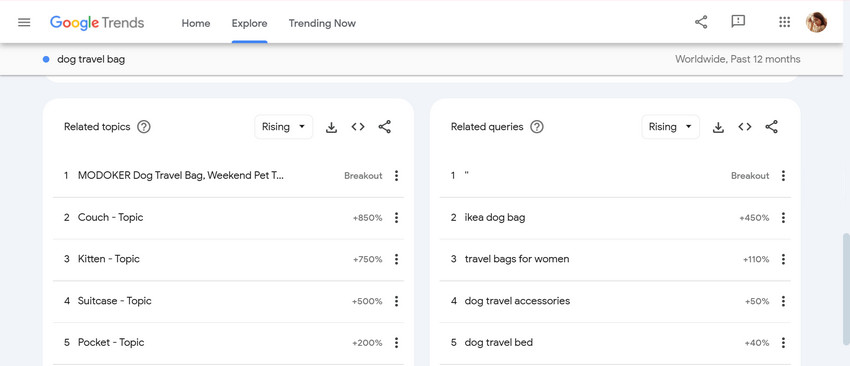
1. Use Google Trends, TikTok, and Amazon Data
Look for spikes in searches and viral videos. Products trending on TikTok often signal growing demand.
2. Checking Competition Level
Use SEO tools to check domain competition and ad platforms to estimate cost-per-click. Avoid highly competitive keywords.
3. Keyword Research Tips
Search for terms with high buyer intent like “buy,” “best,” or “discount.” Low competition with decent search volume is ideal.
4. Tools to Use
/Platforms like SellerCenter.io, Dropship.io, and Niche Scraper can help uncover trending niches in 2025 and product opportunities early.

How to Evaluate Competition in Your Dropshipping Niche
1. Market Saturation
Check how many sellers offer the same product. Search on Amazon, Google Shopping, and TikTok.
2. SEO Benchmarking
Look at keyword difficulty and existing page rankings. Tools like Ahrefs or Ubersuggest can help.
3. Customer Reviews and Feedback
Study what buyers complain about. Use it to improve product selection or marketing.
4.Pricing Strategies
Analyze what others charge. Can you offer better value without killing your profit?